Markdown kitchen sink — headings, images, lists, code, and more
A reference post that exercises every markdown element we render on ViralMag blog pages — useful for checking layout and sanitization.
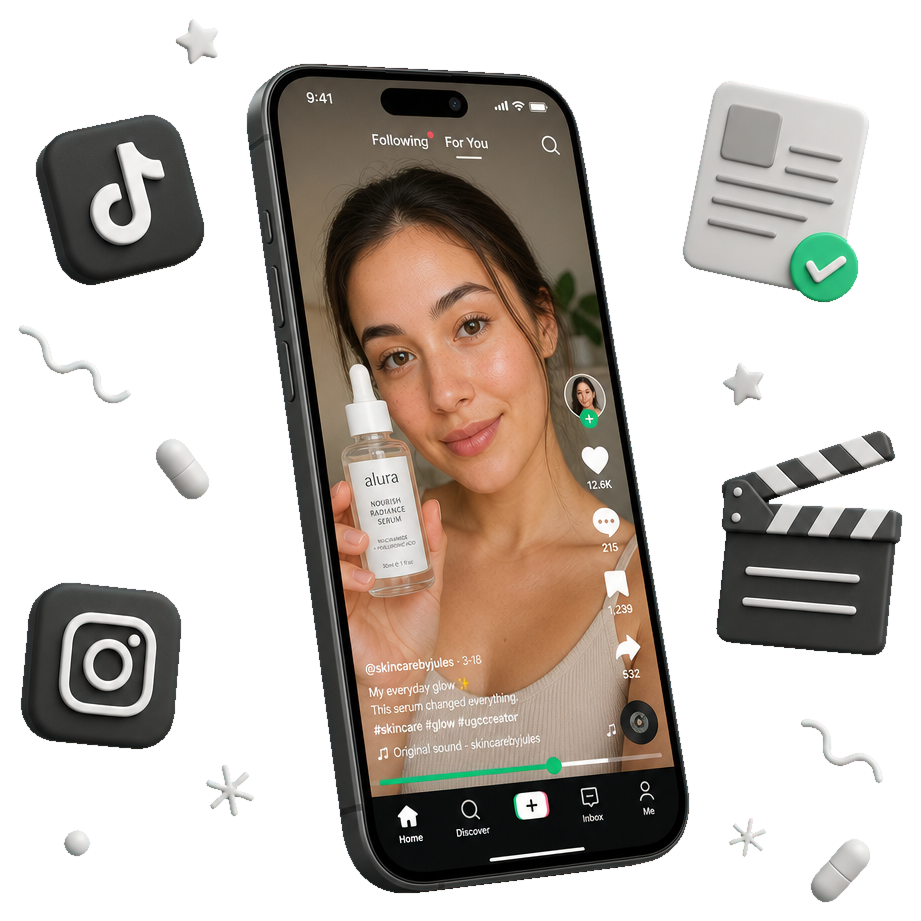
Product-aware UGC, high-converting creator briefs, and structured creative testing — written directly from real performance production pipelines.
A reference post that exercises every markdown element we render on ViralMag blog pages — useful for checking layout and sanitization.
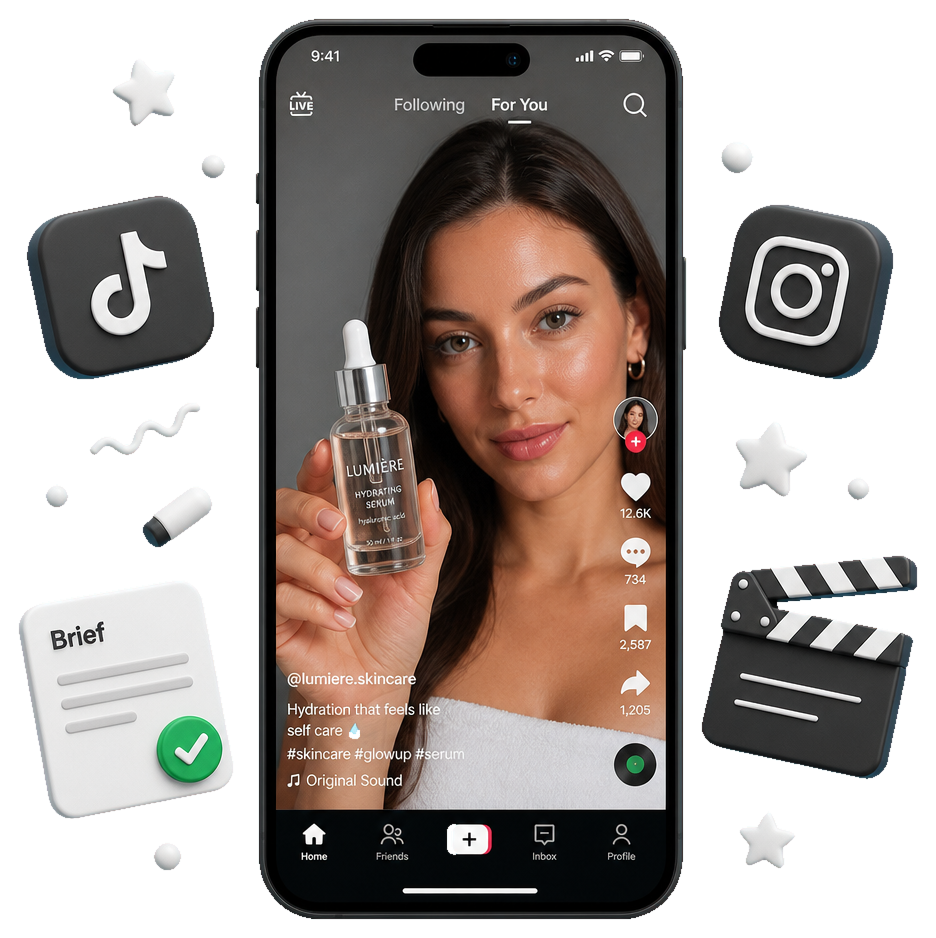
The choice isn't really 'which vendor.' It's which parts of the workflow — briefing, scripting, editing, rendering — actually need a human in the loop.
Generic mockups don't convert installs. Phone-in-hand demos grounded in real screens perform differently — and take a different production path to make.
Agencies don't need a separate production process per client — they need client context kept isolated while reusing the same proven structures.
Founders know the product better than anyone they'd hire. That knowledge is enough to start, without an agency or a camera crew.
Your changelog already has the material for a launch video. The gap is usually the separate creative brief every release requires.
Paid social rewards iteration speed. Most teams under-test because producing enough variants is the actual constraint, not knowing what to test.
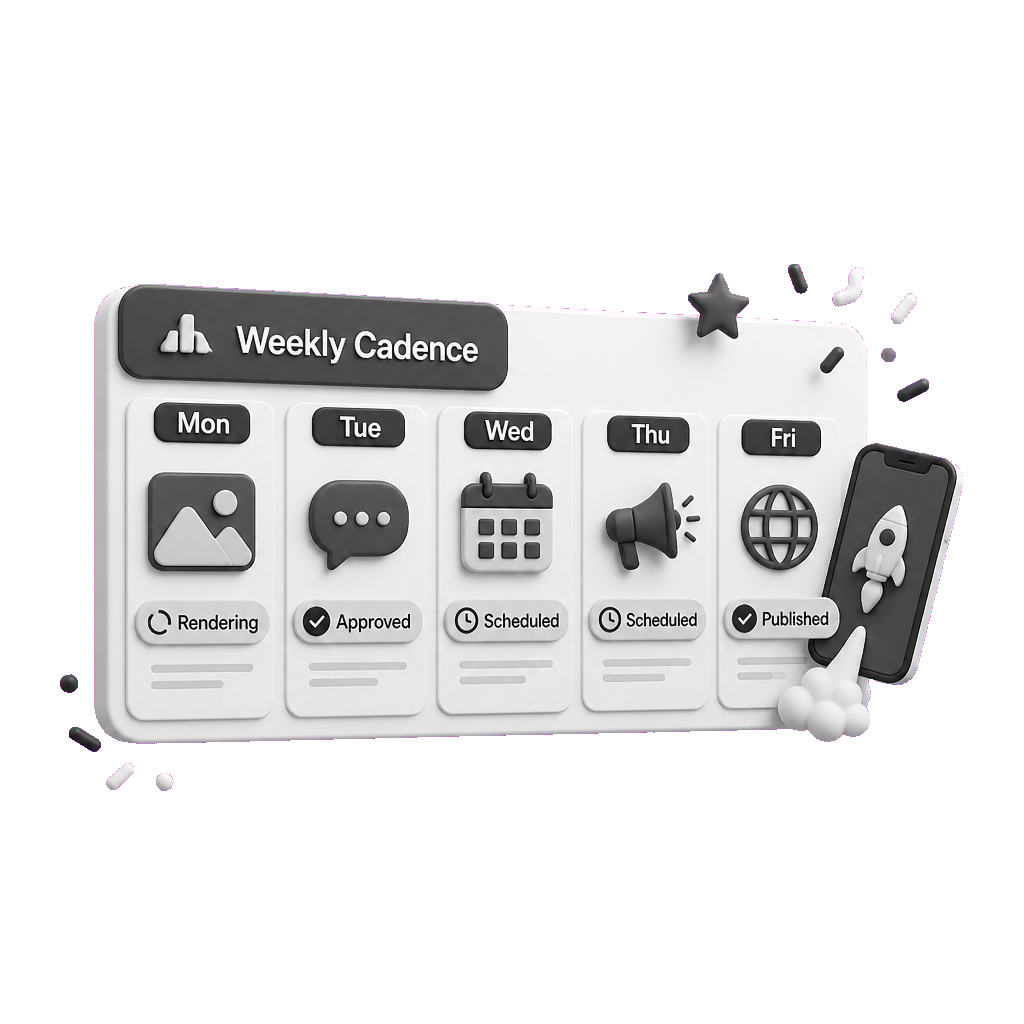
Organic content dies from briefing fatigue, not a shortage of ideas. Here's a framework for keeping cadence without re-briefing every week.
Most teams blame a lack of creative talent for a slow content pipeline. The actual constraint is almost always the re-briefing cycle.